
Rainy Day Pet Emergencies: What Virginia Beach Owners Should Know

Rainy Day Pet Emergencies: What Virginia Beach Owners Should Know
Spring storms in Virginia Beach often bring much-needed rain, but for pet owners, they can also introduce unexpected dangers for dogs and cats. From slippery walks and storm-related injuries to sudden encounters with toxic plants or standing water hazards, May’s rainy weather can turn an ordinary day into a stressful situation. At Nexus Veterinary Urgent Care, located at 1124 Lynnhaven Parkway, Virginia Beach, VA 23452, we understand how quickly emergencies can arise—especially when your regular clinic is closed or fully booked. That’s why our team of veterinarians is here during afternoons and evenings on weekends, offering immediate care for your pet’s urgent needs. Walk-ins are always welcome, and no appointment is needed, so you can get help for your pet when it matters most.
In this blog, you’ll learn how to recognize urgent symptoms in dogs and cats during rainy weather, why these emergencies are more common in spring, what steps to take at home, and when to seek prompt veterinary attention. We’ll also explain how our emergency veterinary care and on-site diagnostics support fast, effective treatment for Virginia Beach and surrounding communities.
Recognizing Rainy Day Pet Emergencies: Signs Your Dog or Cat Needs Help
Rainy May weather in Virginia Beach can create a perfect storm of risks for pets, many of which require fast action from their owners. Recognizing the warning signs early can make all the difference when it comes to your pet’s health and comfort.
Common symptoms that signal an emergency during rainy weather include persistent vomiting or diarrhea, sudden lameness after slipping on wet surfaces, open wounds or bleeding, difficulty breathing after exposure to damp environments, and signs of hypothermia such as shivering, weakness, or lethargy. Additionally, ingestion of rainwater from puddles or drainage ditches can lead to gastrointestinal upset or, in severe cases, toxic reactions if the water has been contaminated by chemicals or bacteria.
Other urgent signs to watch for are sudden collapse, confusion, severe coughing after being caught in a downpour, and unusual swelling around the face or muzzle, which can indicate an allergic reaction to stings or new plant growth. If your pet is hiding, vocalizing in pain, or unable to walk normally, these are all indications that immediate veterinary attention may be needed.
Why Rainy Weather Triggers Emergencies for Pets in Virginia Beach
Understanding why emergencies are more likely during spring storms can help you better protect your dog or cat. When heavy rains fall, the local environment changes rapidly, posing new threats to pets even on short outings.
Slippery patios, sidewalks, and outdoor stairs increase the risk of sprains, strains, and fractures as pets lose their footing. Flooded yards and gardens may expose animals to sharp debris, broken glass, or hidden objects washed in by stormwater. The lush growth of spring plants also means a higher chance of toxic plant ingestion, as curious pets nibble on unfamiliar greenery.
Standing water itself can harbor harmful bacteria such as Leptospira, which causes leptospirosis, or parasites that trigger gastrointestinal illness. Some pets develop skin infections or hot spots after being soaked, especially if their coats remain damp for long periods. Storm anxiety is another concern, leading to panicked escapes, injuries from chewing or clawing at doors, or even road accidents if a frightened pet bolts into traffic.
Finally, electrical storms increase the risk of pets encountering downed power lines or electrical cords, leading to burns or electrocution. The combination of these factors means that rainy spring days can be more dangerous than many owners realize, especially for pets with underlying health conditions or those who spend significant time outdoors.
What to Expect: Professional Treatment for Rainy Day Emergencies
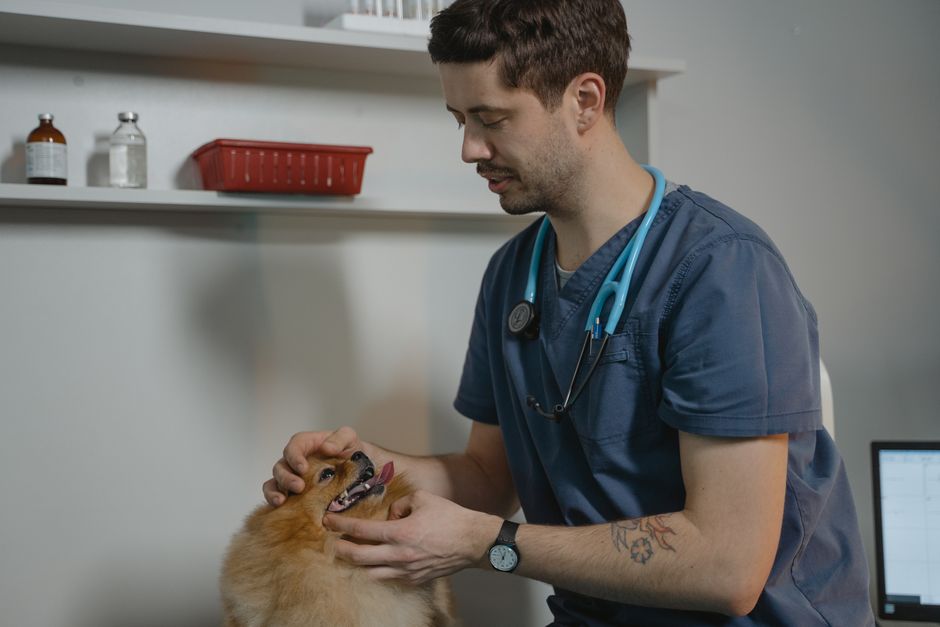
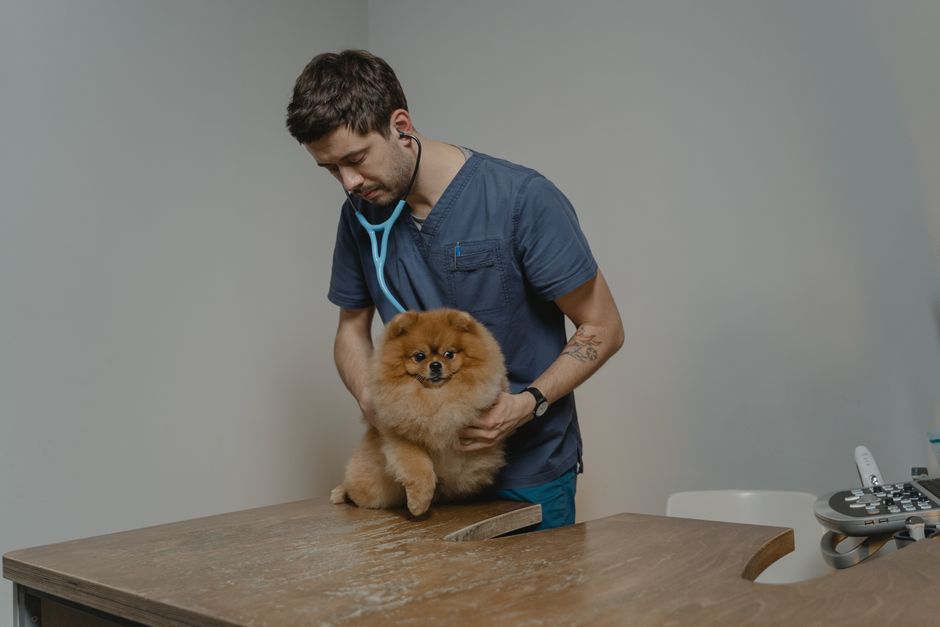
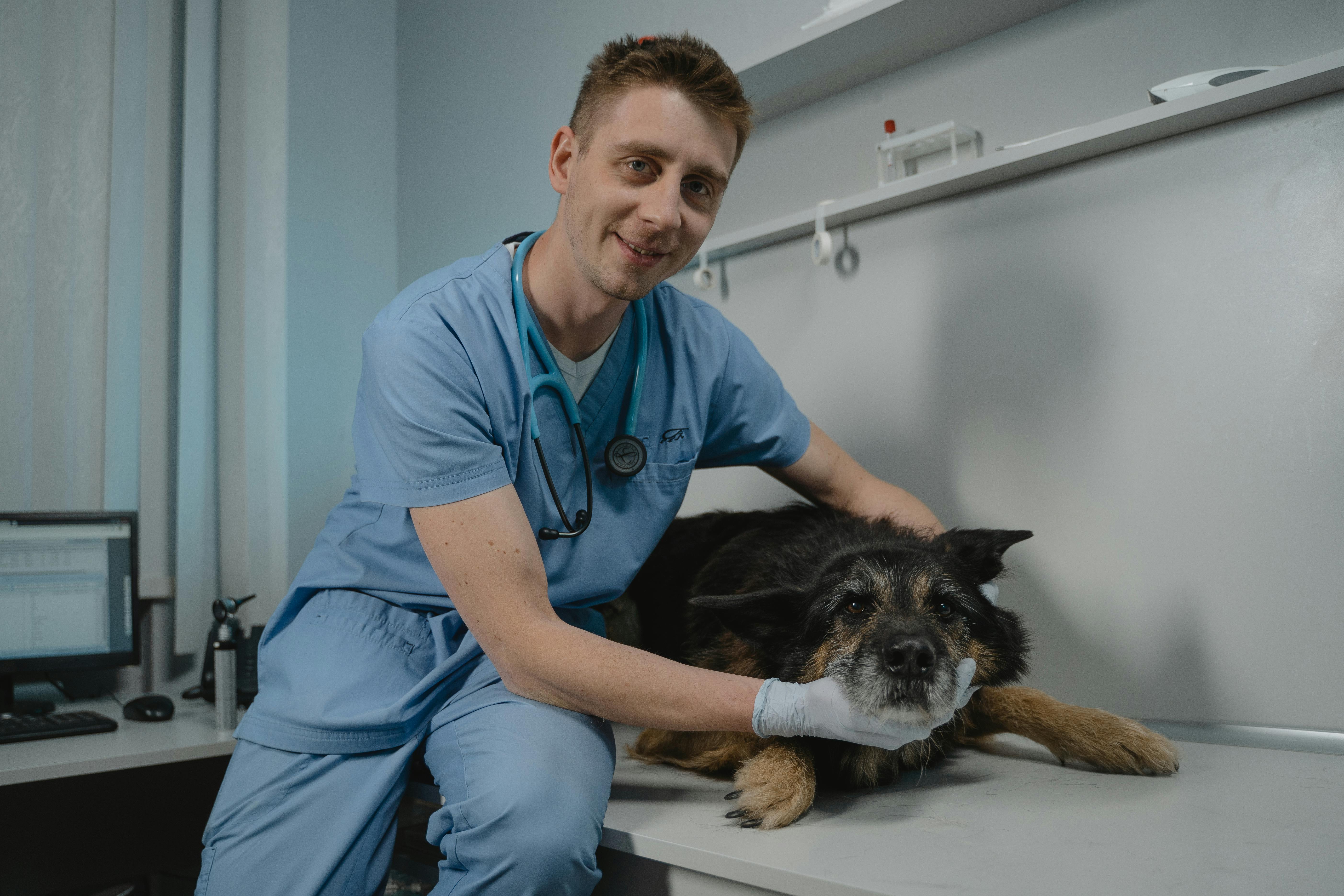
If your pet experiences an emergency during rainy weather, the veterinary team at Nexus Veterinary Urgent Care is equipped to provide fast, compassionate care. Our facility offers on-site diagnostic laboratory services, digital radiology, and comprehensive physical exams, allowing us to quickly assess the extent of injuries or illness and start appropriate treatment without delay. You can learn more about our diagnostic laboratory and digital radiology capabilities, which are especially valuable for identifying fractures, internal injuries, or infections that may not be obvious on physical examination alone.
Treatment options will depend on your pet’s specific emergency. For injuries like sprains and fractures, our veterinarians may recommend splinting, pain control, and supportive care. Open wounds are cleaned, treated for infection risk, and closed if necessary. If your dog or cat has ingested toxic plants or contaminated water, we can provide rapid diagnostic testing and initiate therapies such as intravenous fluids, anti-nausea medication, or specific antidotes when available.
For signs of hypothermia or shock, immediate warming measures, oxygen therapy, and close monitoring are provided. Allergic reactions are managed with fast-acting medications to reduce swelling and prevent airway obstruction. Throughout the urgent care process, our focus is always on stabilizing your pet and providing clear communication about what to expect next.
Protecting Your Pet: Rainy Day Safety Tips for Home
While not every emergency can be prevented, there are steps you can take at home to reduce your pet’s risk during rainy weather. Always supervise your dog or cat outside, especially after a storm has changed the landscape or left behind standing water. Dry your pet thoroughly after walks, paying attention to their paws, ears, and any skin folds where moisture can linger. Offer safe indoor enrichment to reduce the urge for pets to explore wet or hazardous areas.
Keep common yard toxins out of reach by monitoring for mushrooms, lilies, sago palms, and other plants that may flourish after rain. Store all garden chemicals securely, and discourage your pet from drinking from puddles or drainage ditches. If your dog or cat is fearful of storms, create a safe, quiet space indoors and consider speaking with a veterinarian about anxiety management strategies.
Check fences and gates after heavy rain to ensure your pet cannot escape, and inspect for downed wires or debris before letting them roam. If your pet has a health condition like arthritis or heart disease, limit their time outdoors in damp, cold weather to prevent flare-ups.
When to Seek Immediate Veterinary Care for Your Pet
Knowing when to seek urgent veterinary care can be a life-saving decision during spring storms. If your pet is experiencing persistent vomiting or diarrhea, shows signs of breathing difficulty, is unable to walk or stand, has suffered a visible injury, or is acting confused or disoriented, these are all reasons to head to Nexus Veterinary Urgent Care right away. Severe allergic reactions, signs of shock such as pale gums and rapid heartbeat, or sudden collapse all require immediate attention.
Because emergencies can happen outside regular business hours, our clinic is open evenings and weekends—just when many primary care veterinarians are closed. At Nexus Veterinary Urgent Care, walk-ins are always welcome, and no appointment is needed. Our veterinary professionals are ready to help you make quick decisions in stressful moments, providing thorough physical exams and diagnostics to guide treatment.
If you are ever unsure whether your pet’s symptoms are an emergency, it’s always safest to err on the side of caution and bring them in. Delaying care can increase the risk of complications, especially with injuries, toxin exposures, or respiratory distress.
Supporting Virginia Beach Pet Owners—Rain or Shine
Spring storms can create unexpected hazards for dogs and cats, but with preparation and prompt action, you can help keep your pet safe during Virginia Beach’s rainy season. Watch for symptoms like persistent vomiting, difficulty breathing, sudden lameness, or swelling after exposure to the outdoors. Take steps at home to reduce risks by supervising outdoor time, drying your pet thoroughly, and removing potential toxins from your yard.
When an emergency happens, remember that Nexus Veterinary Urgent Care is here for you with walk-ins welcome and no appointment needed during our extended evening and weekend hours. Our team of veterinarians offers comprehensive diagnostics and urgent treatment when your regular veterinarian is unavailable. If you find yourself searching for an emergency vet near me on a rainy day, trust our team at 1124 Lynnhaven Parkway, Virginia Beach, VA 23452 to provide the care your pet needs.
If you have questions or your pet is showing urgent symptoms, contact Nexus Veterinary Urgent Care at (000) 000-0000 or visit us directly during our open hours. For more information about our emergency services and how we can help during spring storms, explore our emergency veterinary care page. Your pet’s health and your peace of mind are always our top priorities, rain or shine.
This blog is intended for informational purposes only and does not replace professional veterinary advice. If your pet is experiencing an emergency, seek immediate veterinary care.