
How a Veterinarian Assesses Sudden Illness in Pets

How a Veterinarian Assesses Sudden Illness in Pets
If your dog or cat suddenly seems unwell, you want answers fast. As a pet owner in Virginia Beach, seeing your beloved companion act out of character can be unsettling and even frightening. At Nexus Veterinary Urgent Care, our team understands how urgent these moments feel. When your regular veterinarian is closed or your pet’s symptoms cannot wait, our urgent care clinic at 1124 Lynnhaven Parkway, Virginia Beach, VA 23452 is here to help. Walk-ins are always welcome during our evening and weekend hours, so you never have to wait for an appointment when your pet needs immediate attention. In this guide, we’ll walk you through how a veterinarian at Nexus Veterinary Urgent Care approaches sudden illness in pets, what you can expect during your visit, and how our rapid diagnostics and thorough exams help protect your pet’s health. You’ll also learn the key signs that signal a need for urgent care, what happens during your pet’s assessment, and when to seek after-hours veterinary care in Virginia Beach.
Recognizing Sudden Illness in Your Pet
It can be difficult to know when your pet’s symptoms signal a true emergency. Pets often hide their discomfort, so subtle changes may be your first clue that something is wrong. Common signs of sudden illness in dogs and cats include vomiting that persists or contains blood, diarrhea that is severe or bloody, sudden lethargy, collapse, breathing difficulties, or refusal to eat or drink. Additional symptoms to watch for are weakness, pale gums, restlessness, or signs of pain such as whining, hiding, or reluctance to move. In some cases, you may notice more dramatic issues like seizures, uncontrolled bleeding, or sudden inability to walk.
If you are unsure whether your pet’s symptoms require immediate attention, it is always safer to err on the side of caution. At Nexus Veterinary Urgent Care, we encourage pet owners to seek help if their instincts tell them something is wrong, especially when symptoms develop outside your regular veterinarian’s hours. For more detailed guidance on specific symptoms, such as when to see a veterinarian for vomiting in dogs or when to seek veterinary care for lethargy in cats, explore our symptom guides.
Why Sudden Illness Happens: Understanding the Causes
Sudden illness in pets can result from a wide variety of causes, ranging from mild to life-threatening. Common culprits include infections, gastrointestinal issues, toxin ingestion, allergic reactions, trauma, or underlying diseases that become acute. For instance, a dog who suddenly vomits and appears weak could be experiencing pancreatitis, an intestinal blockage, or even exposure to a household toxin. Cats who stop eating and seem lethargic may have a urinary blockage, early kidney disease, or a hidden injury. Environmental hazards are also a concern in Virginia Beach; heatstroke during the summer, ingestion of marine debris, or exposure to toxic plants are all risks in our region.
It’s important to remember that pets often do not display obvious symptoms until a condition has become more serious. Because their bodies compensate for illness as long as possible, subtle changes can rapidly become emergencies. This is why timely evaluation by a veterinarian is crucial when your pet’s behavior or health changes suddenly.
What to Expect: How a Veterinarian Evaluates Sudden Illness
When you bring your pet to Nexus Veterinary Urgent Care, our veterinary team is trained to respond quickly and compassionately. No appointment is needed—simply walk in during our open hours for immediate care. The first step is a thorough history; we’ll ask about your pet’s symptoms, recent activities, diet, toxin exposure, and any pre-existing conditions. Details like the onset of symptoms, frequency of vomiting or diarrhea, or any changes in breathing or behavior help us pinpoint the likely cause.
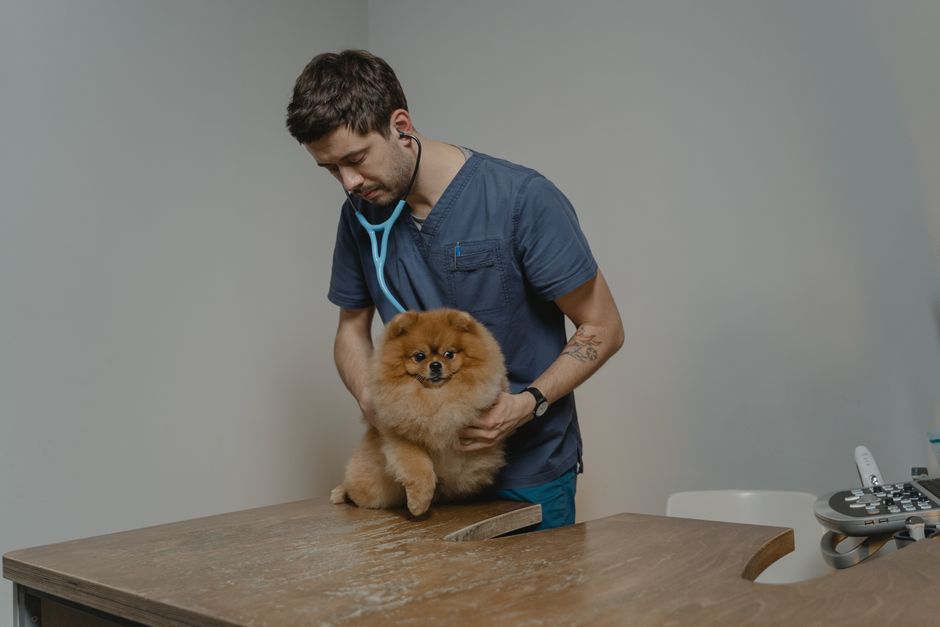
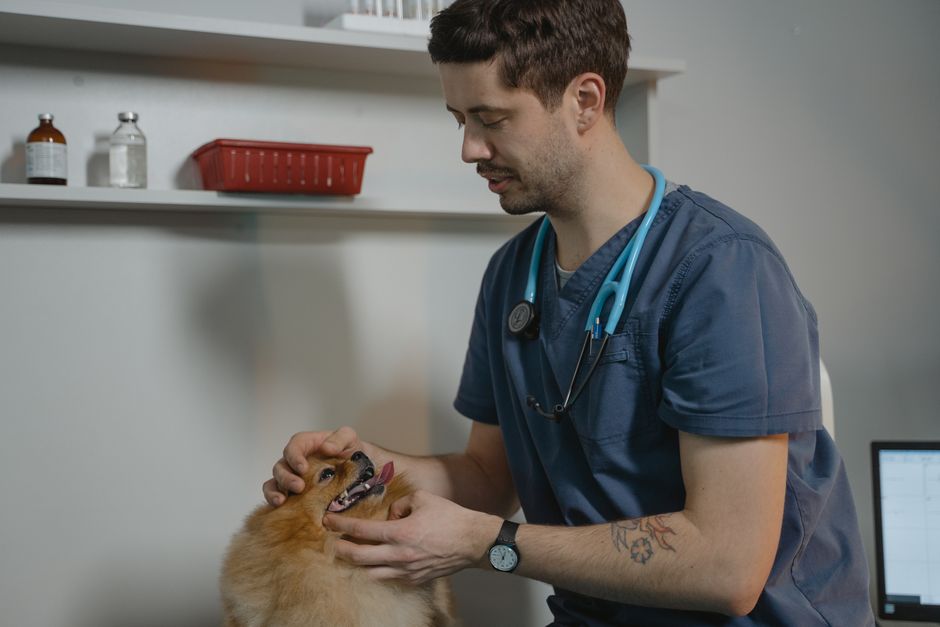
A comprehensive physical exam follows, allowing the veterinarian to check vital signs, assess hydration, examine the abdomen, look for pain, check mucous membrane color, and listen to the heart and lungs. This hands-on evaluation is a critical part of determining severity and urgency. To learn more about what goes into a comprehensive physical exam for pets, we offer detailed information on our website.
Depending on your pet’s symptoms, our team may recommend rapid diagnostic tests. These may include bloodwork and urinalysis using our on-site diagnostic laboratory, or digital X-rays to check for injuries, blockages, or internal abnormalities. Immediate access to these tools means we can make quick, informed decisions about your pet’s care.
Treatment and Management: What Happens Next
Once the veterinarian has assessed your pet and reviewed any test results, we’ll discuss a tailored treatment plan with you. Treatment approaches are customized to the diagnosis and may involve fluids for dehydration, medications to control vomiting or diarrhea, pain relief, antibiotics for infections, or more advanced interventions if your pet’s condition is critical. In some cases, we may need to stabilize your pet before referring them to a 24-hour emergency hospital for ongoing care.
Throughout the process, our veterinary professionals make it a priority to explain each step, answer your questions, and involve you in decision-making. Our goal is to relieve your pet’s discomfort as quickly as possible while keeping you informed and supported. If your pet’s symptoms indicate a need for hospitalization, we’ll coordinate with you and any referral hospitals to ensure a seamless transition.
At-Home Steps and Prevention
While some emergencies are unavoidable, there are steps you can take at home to reduce your pet’s risk of sudden illness. Providing a safe environment, keeping toxins and hazardous foods out of reach, and supervising outdoor activities can minimize common dangers. Feeding your pet a balanced diet, maintaining a healthy weight, and ensuring regular exercise help build resilience against illness.
Monitoring your dog or cat for subtle changes in appetite, energy, and bathroom habits is one of the most powerful tools you have. If you notice anything concerning, don’t wait—early intervention can make a significant difference in outcome. For chronic concerns or preventive care, your primary veterinarian remains the best resource, but for urgent issues that cannot wait, Nexus Veterinary Urgent Care is here to help.
When to Seek Immediate Veterinary Care
Determining when to seek urgent veterinary attention can be stressful, especially after hours. Immediate care is needed if your pet is experiencing repeated vomiting or diarrhea, difficulty breathing, seizures, collapse, uncontrolled bleeding, severe pain, or sudden inability to walk. Other red flags include ingestion of known toxins, trauma from falls or car accidents, or sudden swelling of the face or limbs. If your pet’s gums appear pale or blue, or if they are unresponsive, seek help without delay.
We understand that it is not always clear when an issue is serious. If you are in doubt, our emergency veterinary care team is available evenings and weekends to answer your questions and provide immediate evaluation—no appointment needed. Remember that acting quickly can prevent complications and improve your pet’s chances of a smooth recovery.
The Role of Your Local Veterinarian in Sudden Pet Illness
Your regular veterinarian plays a vital role in your pet’s ongoing health, handling preventive care, wellness visits, and chronic conditions. However, sudden illness often strikes when your primary clinic is closed. Nexus Veterinary Urgent Care is designed to fill that gap, providing urgent assessment and treatment when you need it most. Our convenient location in Virginia Beach and surrounding communities means you do not have to travel far for prompt care. With on-site laboratory and digital radiology services, our veterinarians can get rapid answers and start treatment right away.
If you are searching for an "emergency vet near me," look for a clinic with experienced veterinary professionals, immediate access, and a commitment to compassionate care. At Nexus Veterinary Urgent Care, these qualities are at the heart of what we do.
Take Action for Your Pet’s Health: Walk-Ins Welcome at Nexus Veterinary Urgent Care
When sudden illness affects your dog or cat, you deserve a veterinarian in Virginia Beach who responds with urgency, skill, and understanding. Nexus Veterinary Urgent Care welcomes walk-ins—no appointment needed—so you can get help when every minute counts. Our veterinary team is always ready to assess, diagnose, and treat unexpected health issues in your pet with advanced diagnostics and a caring touch.
If you are worried about your pet’s symptoms or need guidance on when to seek care, explore our pet health guidance on when to seek veterinary care. For immediate assistance, visit us at 1124 Lynnhaven Parkway, Virginia Beach, VA 23452 or call (757) 974-8630. We are open Friday through Sunday from 2:00 PM to 10:00 PM and are proud to serve Virginia Beach and the surrounding communities.
Remember, when sudden illness strikes and you find yourself searching for an "emergency vet near me," Nexus Veterinary Urgent Care is here to provide immediate, high-quality care for your pet—right when you need it most.