

1124 Lynnhaven Parkway
Virginia Beach, VA 23452
Fri 2:00 PM - 10:00 PM
Sat, Sun 2:00 PM - 10:00 PM | Mon - Thu - Closed
Sat, Sun 2:00 PM - 10:00 PM | Mon - Thu - Closed
.jpeg)
Seizures in cats can be frightening to witness and are often a sign of an underlying neurological or medical condition. A seizure may involve sudden shaking, twitching, loss of awareness, or abnormal movements.
While some seizures may be brief, they should never be ignored—especially if they are new, severe, or recurring.
Seizures can be caused by a variety of conditions affecting the brain or body. Common causes include:
In some cases, the exact cause may not be immediately clear.
Any seizure should be taken seriously, but certain situations require immediate veterinary care.
You should seek care if your cat:
If a seizure lasts longer than a few minutes or your cat has repeated seizures, this is an emergency.
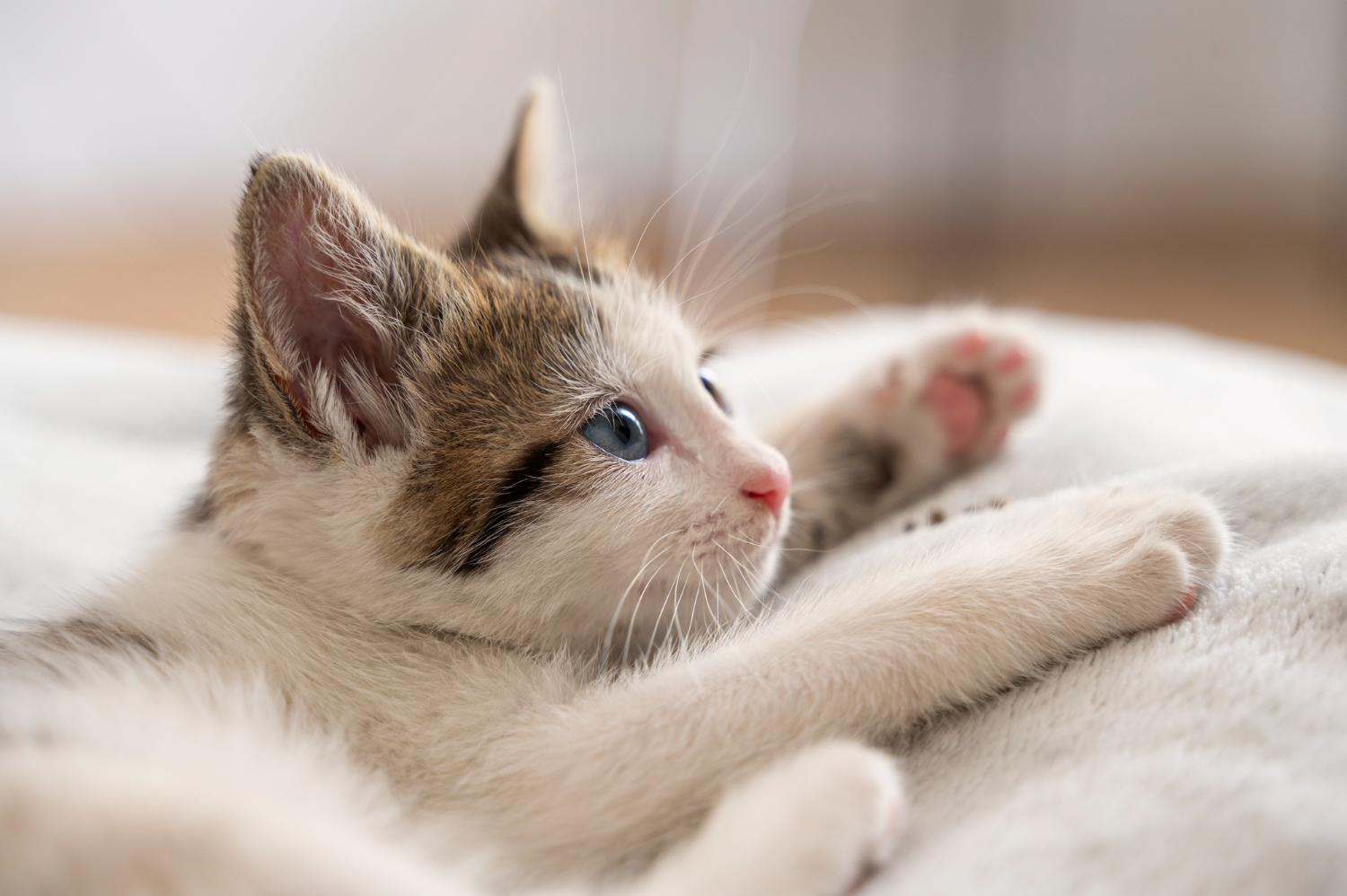
At Nexus Veterinary Urgent Care, we evaluate seizures by identifying the underlying cause and ruling out serious conditions.
Diagnostics may include:
Our goal is to determine whether the seizure is due to a treatable condition or requires long-term management.
Treatment depends on the underlying cause and severity of the seizures.
Common treatments may include:
Some cats may require ongoing medication to control seizures.
We provide same-day urgent care to help your pet get the care they need as soon as possible in Chesapeake, Virginia Beach, Norfolk. Visit us at 1124 Lynnhaven Parkway, Virginia Beach, VA 23452 or call us at 757-974-8111.