
When To Call A Veterinarian For Your Pet

When To Call A Veterinarian For Your Pet
If you’re a pet owner in Virginia Beach, you know that dogs and cats have a knack for hiding their discomfort or suddenly showing signs that leave you worried. Whether your dog is limping after a run on the beach, your cat is hiding and refusing to eat, or your pet is experiencing sudden vomiting, it’s natural to wonder: “Is this an emergency?” Knowing when to call a veterinarian can make all the difference for your furry family member—especially when unexpected symptoms appear after regular vet hours. At Nexus Veterinary Urgent Care, located at 1124 Lynnhaven Parkway, Virginia Beach, VA 23452, we understand how stressful these moments can be. That’s why we offer immediate, walk-in care on weekends and evenings, so you never have to wait for help when your pet needs it most. In this guide, we’ll walk you through the warning signs that mean it’s time to contact a veterinarian, urgent symptoms that require quick attention, and how immediate action can safeguard your pet’s health. You’ll also find local resources and expert advice from our experienced veterinary team.
Recognizing Urgent Signs: When Is It Time to Call a Veterinarian?
Understanding what symptoms may indicate a serious problem is the first step in protecting your pet’s health. While some mild issues can wait for your regular veterinarian, others demand immediate attention from an urgent care team like ours at Nexus Veterinary Urgent Care.
Key symptoms to watch for include sudden or severe vomiting and diarrhea, especially if blood is present or your pet becomes weak or lethargic. Additional urgent signs are breathing difficulties, collapse, persistent coughing, choking, or noticeable swelling of the abdomen. Other red flags include repeated attempts to urinate with little or no output, pain when touched, sudden limping or inability to stand, and seizures. If your pet has ingested a toxin, such as chocolate, medications, or household cleaners, this is always an emergency. Pets who refuse to eat or drink for more than 24 hours, or who are showing confusion, unresponsiveness, or pale gums, also need urgent care.
If you’re unsure about the seriousness of your pet’s symptoms, it’s always better to err on the side of caution. You can find more details about common warning signs and when to see a veterinarian on our pet health warning signs and guidance page.
Why Do Pet Emergencies Happen?
Pet emergencies can come as a shock, but understanding some of the common causes helps you stay prepared. Dogs and cats may become ill or injured suddenly for many reasons. Popular causes include accidental ingestion of human foods (like chocolate or grapes), exposure to toxic plants or household chemicals, traumatic injuries from falls or car accidents, sudden allergic reactions, or underlying health conditions that flare up unexpectedly.
Cats may experience urinary blockages, especially males, which can become life-threatening in a matter of hours. Dogs are at risk for bloat (gastric dilatation-volvulus), a condition where the stomach flips and fills with gas. Both species can develop acute respiratory distress, heart problems, or severe infections. Even routine play or exercise can sometimes result in sprains, broken bones, or soft tissue injuries that need immediate veterinary attention.
Environmental factors in Virginia Beach, such as hot and humid weather, can contribute to heatstroke, while local parasites and wildlife may pose additional risks. Every pet is unique, so the best approach is to know your animal’s normal habits and behaviors, and act quickly if something seems off.
What Happens When You Bring Your Pet to an Emergency Veterinarian?
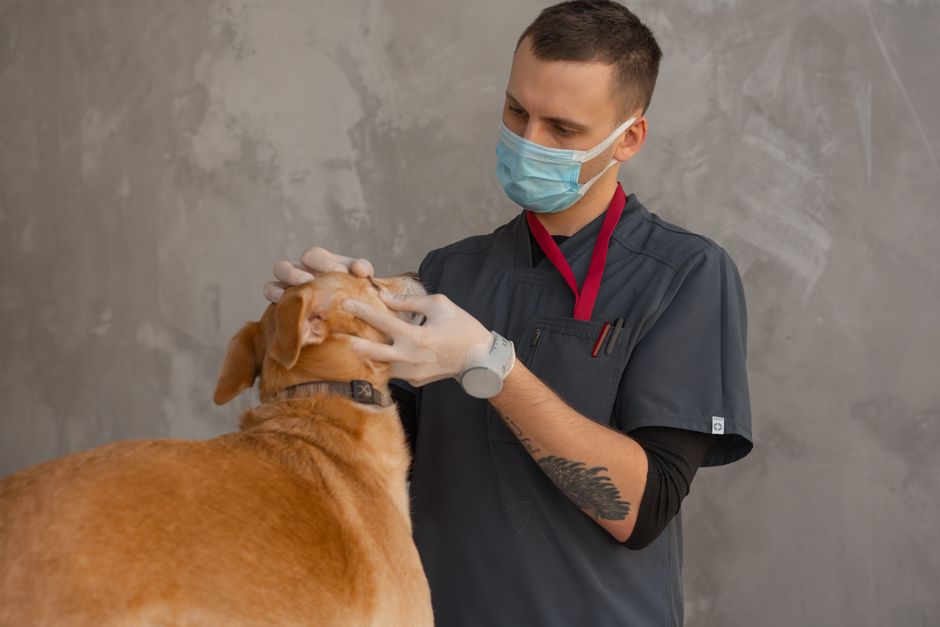
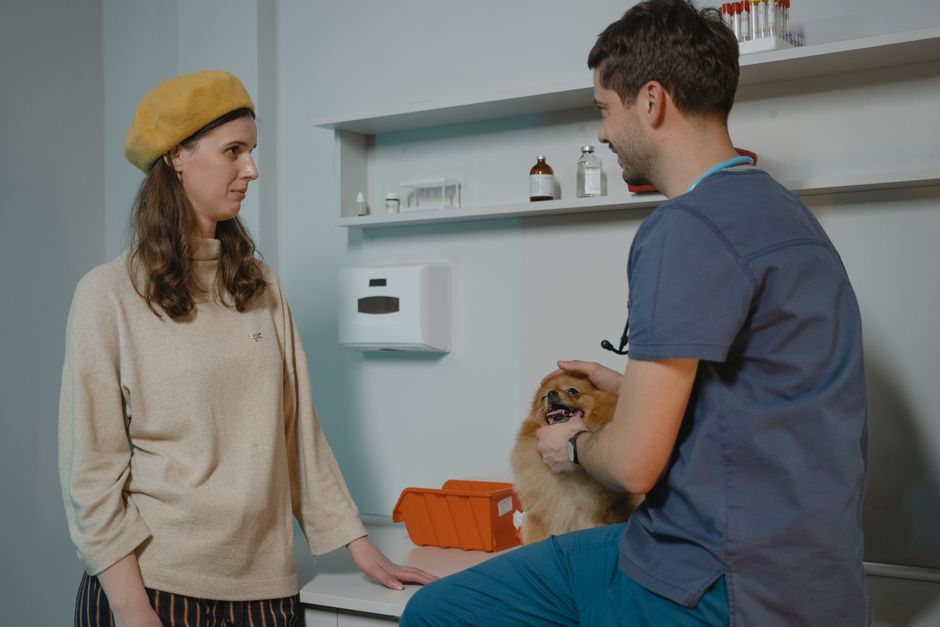
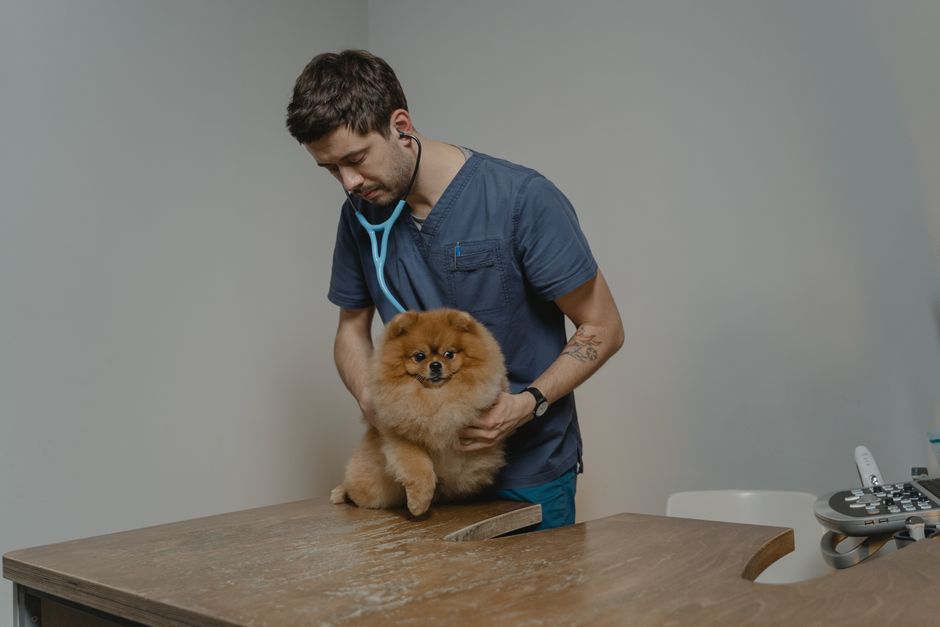
When you arrive at Nexus Veterinary Urgent Care, walk-ins are always welcome—no appointment needed. Our team is trained to quickly assess your pet’s condition and prioritize the most critical cases. The first step is a comprehensive physical exam, during which our veterinary professionals will check vital signs, hydration, pain levels, and overall stability.
Diagnostics often include on-site laboratory testing for blood, urine, or infectious diseases. If your dog or cat is having trouble breathing, we may provide oxygen therapy or stabilize them before further testing. Our digital radiology services allow us to rapidly diagnose fractures, internal injuries, or signs of bloat. Depending on your pet’s symptoms, treatments may involve intravenous fluids, pain relief, wound care, anti-nausea medications, or emergency procedures.
If your dog or cat needs advanced care, such as surgery or intensive hospitalization, our team will coordinate a seamless transfer to a 24-hour emergency hospital. Throughout your visit, we prioritize communication, ensuring you understand what is happening and what to expect next. For more details about what to expect from our urgent care services, visit our emergency veterinary care page.
What Can Pet Owners Do at Home Before Seeing the Veterinarian?
While some emergencies require immediate action, there are steps you can take at home to help your pet and keep them safe while heading to the clinic. If your pet is injured, try to keep them calm and restrict movement as much as possible to avoid further injury. For bleeding wounds, apply gentle pressure with a clean cloth. If your pet is having trouble breathing, keep them in a cool, quiet area and avoid unnecessary handling. In cases of possible poisoning, bring the suspected toxin packaging with you to the veterinarian, as this can help with rapid treatment.
If your cat is straining to urinate or your dog is repeatedly vomiting, avoid giving food or water until evaluated by a veterinarian. Never give human medications to your pet unless specifically instructed by a veterinary professional, as many common drugs are toxic to animals.
Prevention is always the best medicine. Store household chemicals, medications, and human foods out of reach. Watch your pet when outside to prevent accidental injuries or ingestion of dangerous substances. Keep up with routine veterinary care and ask your regular veterinarian about your pet’s unique risks to help avoid emergencies.
When Should You Seek Immediate Veterinary Care?
The decision to seek emergency help can be stressful, but there are clear situations where waiting is not an option. If your pet is unresponsive, having difficulty breathing, seizing, bleeding heavily, or showing any sudden behavioral changes, bring them directly to Nexus Veterinary Urgent Care—no appointment needed. Time is especially critical for conditions like bloat, urinary blockages, toxin ingestion, and severe allergic reactions.
For symptoms such as repeated vomiting, diarrhea with blood, sudden limping, or collapse, urgent evaluation is crucial. You can find specific guidance for conditions like dog vomiting, cat vomiting, dog limping, or cat not eating on our website. If you are ever in doubt, trust your instincts—quick action can be lifesaving.
Because emergencies rarely happen at convenient times, our clinic is open Friday through Sunday from 2:00 PM to 10:00 PM, providing immediate care when your regular veterinarian’s office is closed. Walk-ins are always welcome, and our compassionate team is ready to help your pet when you need it most.
Why Choose Nexus Veterinary Urgent Care in Virginia Beach?
Choosing the right veterinarian during a crisis can give you peace of mind and the best possible outcome for your pet. At Nexus Veterinary Urgent Care, we focus exclusively on urgent and emergency care for dogs and cats, providing rapid assessment, state-of-the-art diagnostics, and personalized treatment plans. Our location at 1124 Lynnhaven Parkway, Virginia Beach, VA 23452 makes us easily accessible for families in Virginia Beach and surrounding communities. Our after-hours schedule means you never have to wait for help when your pet’s health is on the line.
Our veterinary team is committed to open communication, transparency, and supporting you through every step of your pet’s emergency. Whether you need urgent stabilization or advanced diagnostics, your pet is in expert hands. Explore our digital radiology services and diagnostic laboratory to learn more about the tools we use to provide the highest quality care.
Take Action: Your Pet’s Health Can’t Wait
When your dog or cat is suddenly sick or injured, waiting until morning—or hoping things will resolve on their own—can put your pet at risk. Knowing when to call a veterinarian is one of the most important things you can do as a pet owner. At Nexus Veterinary Urgent Care, walk-ins are welcome, and no appointment is ever needed. If you are searching for an “emergency vet near me” in Virginia Beach, our caring team is ready to help. Don’t hesitate to bring your pet to our clinic at 1124 Lynnhaven Parkway, Virginia Beach, VA 23452 during our after-hours schedule on Friday, Saturday, or Sunday. You can always call us at (757) 974-8630 if you have questions or need directions. Visit our website for more information about emergency veterinary care and the symptoms that require urgent attention.
Remember, if you’re ever in doubt about your pet’s health, trust your instincts and seek prompt care. Our veterinary professionals are here to provide the compassionate, expert support you and your pet deserve—right when you need it most.