
How an Urgent Care Veterinarian Helps Your Pet in Emergencies

How an Urgent Care Veterinarian Helps Your Pet in Emergencies
When an unexpected crisis affects your dog or cat, every moment counts. You might notice your pet suddenly limping, vomiting, or showing signs of distress right when your regular veterinarian’s office is closed for the evening or weekend. That’s when the urgent care team at Nexus Veterinary Urgent Care in 1124 Lynnhaven Parkway, Virginia Beach, VA 23452 becomes your trusted resource for help. Our experienced veterinarians are here during afternoons and evenings on Fridays, Saturdays, and Sundays to ensure your pet receives timely, expert care when it matters most. Walk-ins are always welcome; no appointment is needed, so you never have to wait for relief or worry about being turned away.
In this guide, discover how an urgent care veterinarian can support your pet during emergencies. We’ll help you recognize the signs that mean your dog or cat needs immediate attention, explain what happens during your urgent visit, and share the unique benefits of relying on professional emergency care in Virginia Beach and surrounding communities. With accessible hours and advanced on-site diagnostics, Nexus Veterinary Urgent Care is always ready to provide the help your pet deserves when every second matters.
Recognizing the Signs: When Does Your Pet Need Emergency Care?
As a pet owner, it can be difficult to know which symptoms are true emergencies and which can wait for your primary veterinarian. Understanding the signs that require an urgent visit can make all the difference for your pet’s health and comfort.
Common symptoms that indicate a need for immediate attention include sudden, severe vomiting or diarrhea, unexplained collapse, difficulty breathing, ongoing bleeding, or visible injuries such as broken bones or wounds. Other warning signs are seizures, sudden changes in behavior or alertness, loss of appetite for more than 24 hours, and difficulty urinating or defecating. For example, if your dog starts having repeated seizures or your cat cannot stop vomiting, these situations should not wait until regular office hours.
Certain conditions can be more urgent depending on your pet’s age, breed, and medical history. For instance, brachycephalic (short-nosed) breeds like Bulldogs and Persians are more prone to breathing emergencies, while older pets may be at higher risk of heart failure or internal organ issues. If your pet ingests a toxic substance, shows signs of heatstroke, or experiences trauma from a fall or accident, seek emergency care right away.
If you’re unsure whether your pet’s symptoms require urgent care, it’s always safer to err on the side of caution and bring them in for evaluation. Our emergency veterinary care page provides more details on what to watch for and how our veterinarians approach urgent cases.
Why Emergencies Happen: Understanding the Causes
Emergencies can arise suddenly for dogs and cats, even in the most attentive homes. Injuries such as lacerations, fractures, or bites may happen during play, accidents, or altercations with other animals. Poisonings can result from ingesting household plants, medications, or foods like chocolate and grapes. Acute illnesses such as pancreatitis, urinary blockages, or severe allergic reactions can strike without warning.
Seasonal factors also play a role in pet emergencies in Virginia Beach. During warmer months, heatstroke and insect bites are more common, while colder weather can increase the risk of antifreeze poisoning or exposure-related illnesses. Additionally, pets with chronic conditions like diabetes or heart disease may experience sudden decompensation, requiring immediate veterinary attention.
Sometimes, the underlying cause is not immediately obvious. For example, repeated vomiting or seizures might be symptoms of a deeper problem like organ dysfunction or neurological disease. Our veterinarians use advanced diagnostics to rapidly identify the cause and guide treatment decisions.
If you are concerned about vomiting, our resources explain when to seek care for both dog vomiting and cat vomiting, so you can act promptly.
What to Expect from an Urgent Care Veterinarian Visit
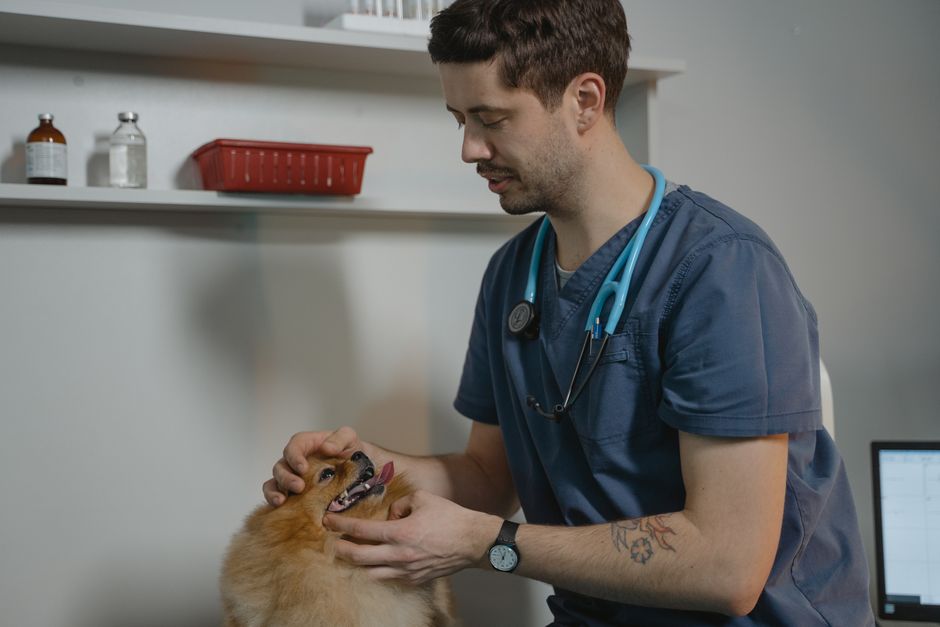
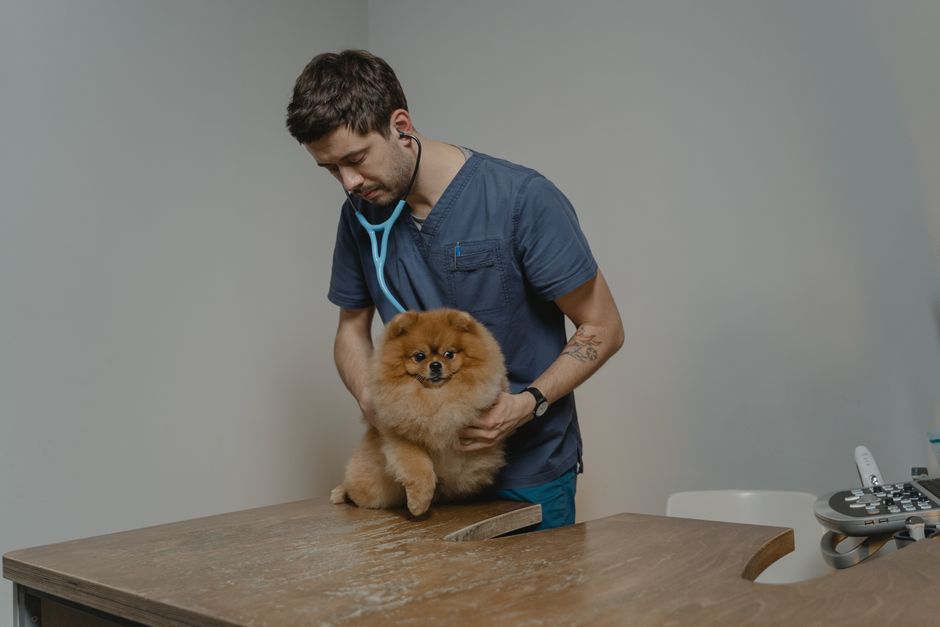
When you arrive at Nexus Veterinary Urgent Care, you do not need an appointment—just come in as soon as you notice a problem. Our veterinary team is trained to triage and stabilize pets quickly, ensuring the most critical patients receive immediate care. After a brief assessment at intake, your dog or cat will be examined by a veterinarian who specializes in urgent cases.
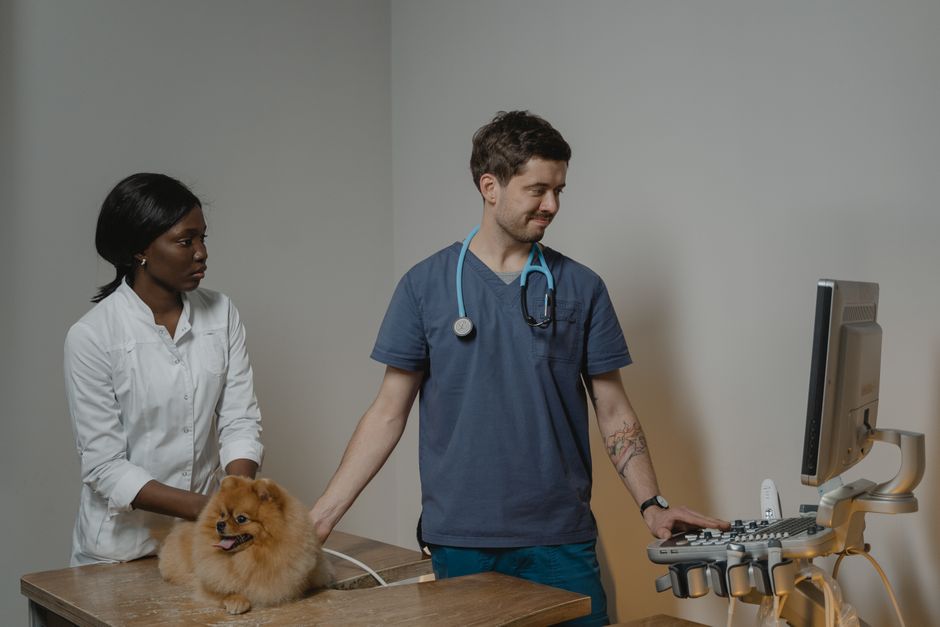
The visit typically begins with a comprehensive physical exam to evaluate your pet’s vital signs and pinpoint the source of the emergency. Depending on the situation, our team may recommend on-site diagnostic testing such as bloodwork, urinalysis, or digital radiology for rapid X-ray imaging. This technology allows us to diagnose injuries, internal blockages, or infections with speed and accuracy, supporting faster treatment decisions.
Treatment plans are tailored to your pet’s needs and may include intravenous fluids, medications for pain or infection, wound care, or stabilization for transport if referral to a specialty hospital is required. Our goal is always to relieve suffering, address the underlying cause, and communicate clearly with you about next steps.
Many owners worry about what happens after urgent care. We provide detailed discharge instructions and coordinate with your primary veterinarian for follow-up care, so your pet receives seamless support throughout recovery.
For more about our diagnostic capabilities, visit our diagnostic laboratory services page.
Common Scenarios Handled by Urgent Care Veterinarians
Our urgent care veterinarians frequently see pets for sudden injuries, allergic reactions, toxic ingestions, severe gastrointestinal upset, and respiratory distress. In addition, we handle cases of heatstroke, snake bites, and acute lameness or pain. For example, if your dog suddenly collapses after a hot afternoon in the yard, or your cat is straining to urinate and vocalizing, our team is equipped to respond immediately.
Seizures are another emergency that cannot wait. Learn more about what to do if your dog experiences seizures or if your cat has seizures so you can act quickly and safely.
Taking Action at Home: What Pet Owners Can Do
While some emergencies can be prevented with routine care and a pet-safe environment, accidents and sudden illnesses can still occur. You can help protect your pet by monitoring their environment for hazards, securing household chemicals, keeping toxic foods out of reach, and supervising interactions with other animals. During warm months, provide plenty of fresh water and shade to prevent heatstroke, and be vigilant for signs of overheating.
If your pet starts showing concerning symptoms, remain calm and avoid attempting home remedies that could make things worse. For example, do not induce vomiting unless directed by a veterinarian, and never give human medications to your pet without guidance. Gather any relevant information, such as what your pet may have ingested or details about the incident, to share with the veterinary team.
Transport your pet safely using a crate or carrier, and avoid putting yourself at risk if your pet is in pain or frightened. If possible, call ahead to let the urgent care team know you are coming, but remember that walk-ins are always welcome and no appointment is needed.
When to Seek Immediate Veterinary Care
Certain situations always require urgent evaluation by a veterinarian, especially if your regular clinic is closed. These include difficulty breathing, persistent vomiting or diarrhea, collapse, loss of consciousness, repeated seizures, inability to urinate, visible injuries, and ingestion of known toxins. If you are unsure, it is always better to err on the side of caution and bring your pet in for assessment.
Our urgent care clinic in Virginia Beach is open during evenings and weekends, specifically to help in these situations. Our veterinarians are prepared to triage and stabilize your pet, provide rapid diagnostics, and deliver the medical care your dog or cat needs. Timely intervention can be lifesaving and often leads to better outcomes.
Remember, you do not need an appointment—simply come straight to our clinic when you notice an emergency. If you are searching for an "emergency vet near me," Nexus Veterinary Urgent Care is your trusted local resource.
Why Choose Nexus Veterinary Urgent Care for Emergencies?
Choosing an urgent care veterinarian gives you peace of mind, knowing that help is available when your regular veterinary office is closed. Our veterinary team in Virginia Beach offers fast, compassionate care for dogs and cats with sudden injuries and illnesses. With advanced diagnostics, digital X-rays, and dedicated evening and weekend hours, we are here to support your pet’s health when it matters most.
We understand how stressful emergencies can be for both you and your pet. That is why our approach combines medical expertise with empathy and clear communication. We keep you informed every step of the way and work closely with your primary veterinarian for ongoing care after your visit.
To learn more about the full range of services we provide, visit our overview of veterinary urgent care services.
Compassionate Urgent Care for Your Pet—Walk-Ins Welcome
Emergencies are unpredictable, but your response does not have to be. If your dog or cat faces a sudden health crisis, trust the experienced veterinarians at Nexus Veterinary Urgent Care to provide expert care right here in Virginia Beach and the surrounding communities. Walk-ins are always welcome; no appointment is necessary, and we are open afternoons and evenings on weekends to serve you when other clinics are closed.
For urgent pet emergencies, visit us at 1124 Lynnhaven Parkway, Virginia Beach, VA 23452, or call (757) 974-8111 for more information. Our veterinary team is always here when you need an emergency vet near me. Your pet’s health and comfort are our top priorities—let our veterinarians help your family when it matters most.
This article is for educational purposes only and does not replace professional veterinary care. If your pet is experiencing an emergency, seek immediate attention from a veterinarian.