
What to Expect From a Veterinarian During a Pet Emergency

What to Expect From a Veterinarian During a Pet Emergency
A sudden pet emergency is every dog or cat owner's nightmare. Whether your dog is struggling to breathe, your cat is suddenly unable to stand, or your pet suffers an accident, knowing what happens next can ease your stress and help you make confident decisions. At Nexus Veterinary Urgent Care, located at 1124 Lynnhaven Parkway, Virginia Beach, VA 23452, our team of veterinarians is here to provide immediate care for your pet when minutes matter. Walk-ins are always welcome; no appointment is needed during our weekend and evening hours. This guide will walk you through what to expect when you bring your pet to an emergency veterinarian, the steps we take to assess and stabilize your dog or cat, and how Nexus Veterinary Urgent Care supports pets and owners in Virginia Beach and surrounding communities during critical moments.
Recognizing a Pet Emergency: When Should You Go to an Emergency Veterinarian?
Understanding when a situation requires urgent veterinary attention can be lifesaving. Some emergencies are obvious, while others develop more quietly. Common signs that your pet needs immediate care include difficulty breathing, sudden collapse, continuous vomiting or diarrhea, severe bleeding, trauma from a fall or accident, seizures, or exposure to toxins. Additional warning signs can include pale gums, extreme lethargy, inability to urinate, or persistent crying in pain. If your dog or cat is experiencing any of these symptoms, seeking help from an emergency veterinarian in Virginia Beach is essential. Acting quickly can make a critical difference in your pet’s outcome.
Subtle Signs That Should Not Be Ignored
Not all emergencies present with dramatic symptoms. For example, a cat hiding and refusing food or a dog with a bloated abdomen may both be experiencing life-threatening conditions that require urgent care. It’s always better to err on the side of caution; if something seems off with your pet and your regular veterinarian is unavailable, walk in to Nexus Veterinary Urgent Care for an immediate evaluation.
Why Emergencies Happen: Common Causes and Risk Factors
Pet emergencies can arise from a variety of causes, many of which are unpredictable. Trauma is one of the leading reasons for urgent visits. This includes being hit by a car, falling from a height, or animal bites. Ingestion of foreign objects or toxic substances, such as chocolate, rodent poisons, or human medications, is another common emergency scenario for dogs and cats.
Other situations that bring pets to an emergency veterinarian include sudden illnesses like severe allergic reactions, acute infections, respiratory distress, heatstroke during Virginia Beach’s hot summers, or complications from chronic diseases such as diabetes or heart disease. Some pets are more prone to emergencies due to age, breed, or preexisting health issues. For example, brachycephalic breeds (like Bulldogs or Persians) can experience breathing crises more easily, and older pets may have a higher risk of heart failure or seizures.
How a Veterinarian Responds: The Emergency Visit Step by Step
When you arrive at Nexus Veterinary Urgent Care, our veterinary team is prepared to act swiftly. Walk-ins are welcome; you do not need an appointment. Upon arrival, a trained staff member will triage your pet to quickly assess how critical the situation is. Pets with life-threatening symptoms receive immediate attention and stabilization.
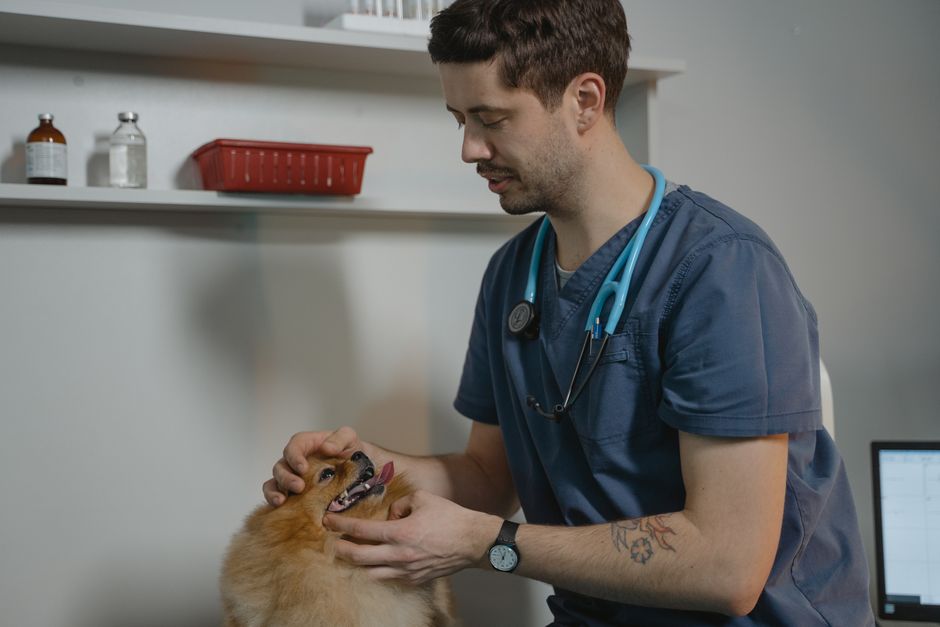
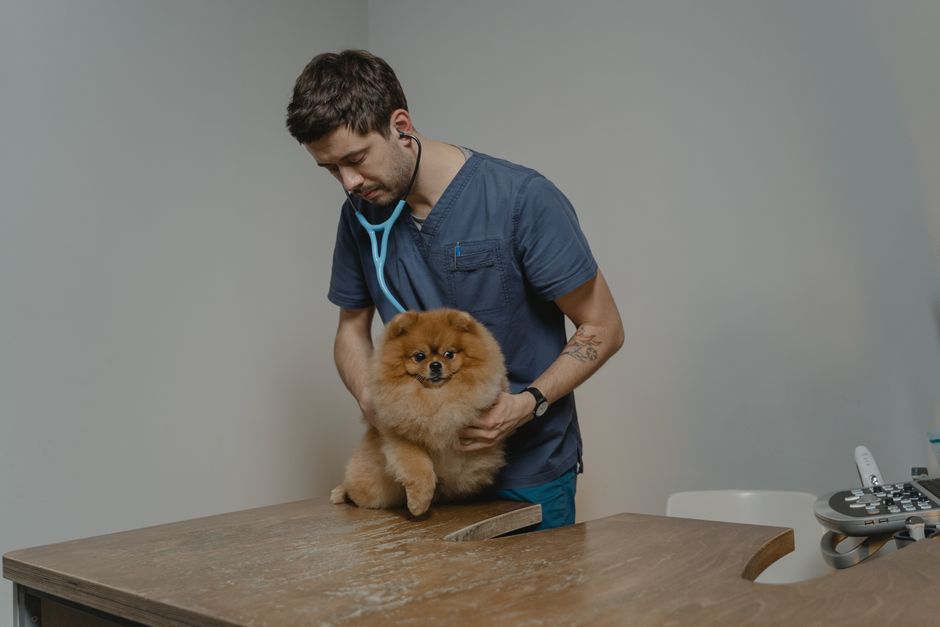
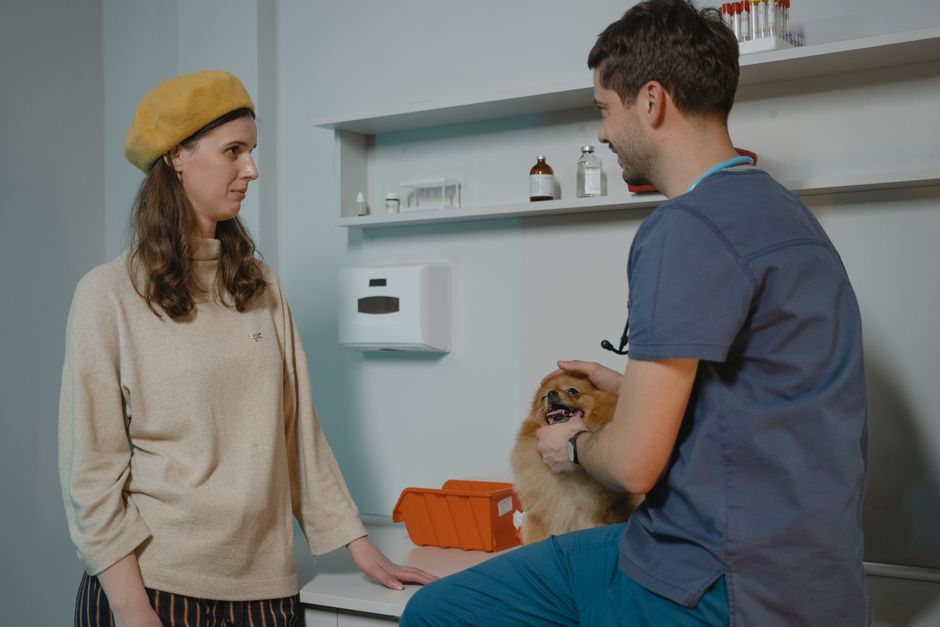
The veterinarian begins with a focused physical examination, checking vital signs, airway status, breathing, circulation, and neurological function. During this initial assessment, we gather a brief history from you to understand what happened, how symptoms started, and any known exposures or medical conditions. This information helps guide the next steps.
Diagnostic Testing: Getting Answers Fast
Many emergencies require rapid diagnostics to identify the problem. At Nexus Veterinary Urgent Care, we have an on-site diagnostic laboratory that allows our veterinarians to run bloodwork, urine tests, and other assessments within minutes. These tests can reveal internal bleeding, organ dysfunction, infection, or electrolyte imbalances. In cases of trauma, respiratory distress, or suspected blockages, our digital radiology suite provides fast, detailed X-rays, helping our team pinpoint injuries, fractured bones, or foreign bodies.
Emergency Stabilization and Treatment
Once the cause of your pet’s distress is identified, the veterinarian will discuss a treatment plan with you. Immediate stabilization may involve oxygen therapy, intravenous fluids, pain control, or medications to address shock or seizures. For bleeding wounds, pressure and wound care are started right away. If your pet has ingested a toxin, the team may induce vomiting (if safe), administer activated charcoal, or provide specific antidotes.
Surgical intervention may be necessary in certain cases, such as internal bleeding, severe injuries, or blocked urinary tracts. Your veterinarian will explain the situation, discuss risks and benefits, and gain your consent before proceeding. Throughout the process, our team keeps you informed and involved in decision-making, offering updates as your pet’s condition changes.
What You Can Do at Home: Immediate Actions and Prevention
While some emergencies are unavoidable, there are steps you can take at home to help your pet before you get to the veterinarian and to reduce risks in the future. If your pet is injured, keep them calm and as still as possible; avoid offering food or water unless instructed. For bleeding, gentle pressure with a clean cloth can help until you reach the clinic. If you suspect poisoning, bring any packaging or information about what your pet ingested.
Preventive measures include pet-proofing your home to keep dangerous items out of reach, using secure fencing and leashes, and following your veterinarian’s advice for routine care. Regular checkups can catch health issues before they become emergencies, and understanding your pet’s normal behavior makes it easier to spot changes early. During hot weather in Virginia Beach, keep pets cool and never leave them in parked cars. For older pets, provide non-slip mats at home and help them avoid stairs or furniture that could cause falls.
When to Seek Emergency Veterinary Care
Knowing when to seek help is crucial. Any time your pet shows signs of severe distress, pain, collapse, difficulty breathing, persistent vomiting or diarrhea, uncontrolled bleeding, or sudden changes in behavior or consciousness, seek emergency care immediately. If you are unsure, our veterinary professionals at Nexus Veterinary Urgent Care encourage you to call or walk in during our open hours for guidance. We are open from 2:00 PM to 10:00 PM on Fridays, Saturdays, and Sundays, providing urgent care when most regular veterinary offices are closed.
What If My Pet’s Condition Changes Suddenly?
Emergencies can develop quickly; a pet that seemed mildly sick in the morning can become critical by evening. Trust your instincts. If your cat or dog’s condition worsens, if they are not responding to home care, or if you are worried and cannot reach your regular vet, don’t wait. Our team is ready to help during evenings and weekends, offering comprehensive emergency veterinary care in Virginia Beach.
What Makes Nexus Veterinary Urgent Care Different?
At Nexus Veterinary Urgent Care, we focus exclusively on urgent and emergency needs for dogs and cats. Our facility is designed for rapid assessment, immediate stabilization, and fast diagnostics. By offering walk-in service with no appointment needed, we are able to help when your family veterinarian is unavailable. Our team of veterinarians and support staff are trained to handle a wide range of emergencies, from trauma and poisoning to sudden illness and acute pain. We prioritize clear communication, compassionate care, and keeping pet owners informed every step of the way.
Our comprehensive physical exams ensure that no detail is missed during an emergency visit, and our location at 1124 Lynnhaven Parkway, Virginia Beach, VA 23452 is easily accessible for pet owners in Virginia Beach and nearby neighborhoods.
Your Partner in Urgent Pet Care: Take Action When Every Minute Counts
Facing a pet emergency is overwhelming, but you do not have to go through it alone. Nexus Veterinary Urgent Care is committed to providing fast, effective, and compassionate care for your dogs and cats when they need it most. Walk-ins are welcome during our open hours—no appointment is ever needed. If you are searching for an "emergency vet near me" in Virginia Beach, know that our experienced veterinarians are here for you and your pet.
If you have questions about emergency veterinary care or need immediate help, visit us at 1124 Lynnhaven Parkway, Virginia Beach, VA 23452 or call (757) 974-8630. For more information about our emergency veterinary care and the services we provide, our website is always available. In every critical moment, trust the team at Nexus Veterinary Urgent Care to deliver the urgent help your pet deserves.