
Pet Heat-Related Emergencies: What Virginia Beach Owners Must Know

Pet Heat-Related Emergencies: What Virginia Beach Owners Must Know
As the temperatures rise in Virginia Beach, many pet owners find themselves worried about how to keep their dogs and cats safe from the dangers of overheating. Just a few minutes in the sun or a stuffy car can be life-threatening for pets, especially during the humid days of May and beyond. At Nexus Veterinary Urgent Care, located at 1124 Lynnhaven Parkway, Virginia Beach, VA 23452, we understand how quickly a fun day outdoors can turn into an emergency. That is why our team is here for you during afternoons and evenings on weekends, providing immediate veterinary care with walk-ins welcome and no appointment needed. This article will guide you through the urgent signs of heatstroke in pets, explain the causes, outline what to do before you arrive at an urgent care clinic, and help you know when your pet’s symptoms require emergency attention. Whether you are enjoying the beach, walking in Lynnhaven, or just relaxing at home, understanding heat-related emergencies can mean the difference between life and death for your furry family members.
Recognizing Heatstroke and Overheating: What Pet Owners Should Watch For
Heatstroke is a serious, potentially fatal condition in dogs and cats. It happens when your pet’s body temperature rises to dangerous levels, overwhelming their natural cooling systems. Recognizing the early warning signs is crucial for getting your pet lifesaving care as quickly as possible.
Key symptoms of heatstroke in pets include excessive panting, drooling, or rapid breathing that is much heavier than usual. You might also notice your dog or cat seeming weak, disoriented, or unable to stand. Other signs are red or pale gums, vomiting, diarrhea, and in severe cases, seizures or collapse. In cats, open-mouth breathing is particularly worrisome since it is not a normal way for them to cool off. If your pet’s tongue looks dark or their breathing sounds labored, these are signs that overheating is progressing quickly.
Many pet owners notice their companion trying to seek shade, lying flat on cool tiles, or appearing restless and anxious. If your pet is not responsive, seems confused, or collapses after time outdoors, these are emergencies that require immediate veterinary attention. At Nexus Veterinary Urgent Care, our team is equipped with the diagnostic tools and expertise to quickly evaluate and treat pets suffering from heatstroke. For more information about our comprehensive physical exams, visit our website to learn how we assess your pet’s health during urgent situations.
Why Do Pets Overheat? Understanding the Causes
Dogs and cats have limited ways to cool themselves, relying mainly on panting and a small amount of sweating through their paw pads. In Virginia Beach, the combination of high humidity and soaring temperatures can make it even harder for pets to dissipate heat. Certain breeds, such as Bulldogs, Pugs, Persian cats, and other flat-faced breeds, are at much greater risk due to their anatomy. Overweight pets, seniors, young puppies and kittens, and those with underlying health conditions are also more vulnerable.
Common situations that lead to overheating include being left in a parked car, even for a short time; exercising during the hottest parts of the day; or being confined to areas without adequate shade or ventilation. Asphalt, sand, and concrete surfaces absorb heat quickly and can raise your pet’s body temperature faster than you realize. Additionally, inadequate access to fresh water can rapidly accelerate dehydration and overheating.
Many well-intentioned owners are caught off guard by how quickly heatstroke can develop. A dog left in a car with the windows cracked can reach a critical temperature within minutes, even if it feels mild outside. Similarly, a playful afternoon in the backyard without access to shade or water can endanger your pet’s health in a very short time.
Emergency Treatment: What Happens at the Urgent Care Clinic
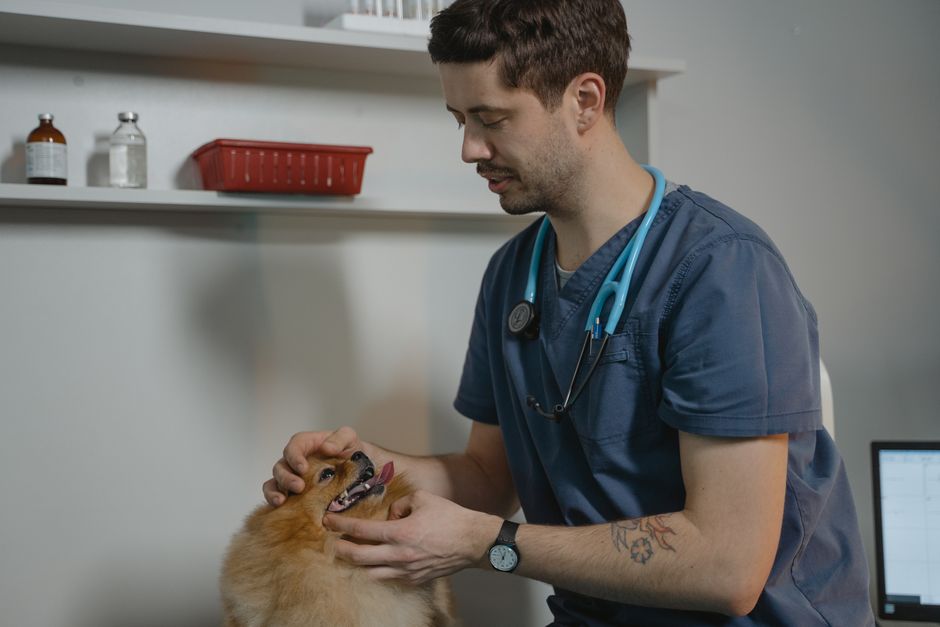
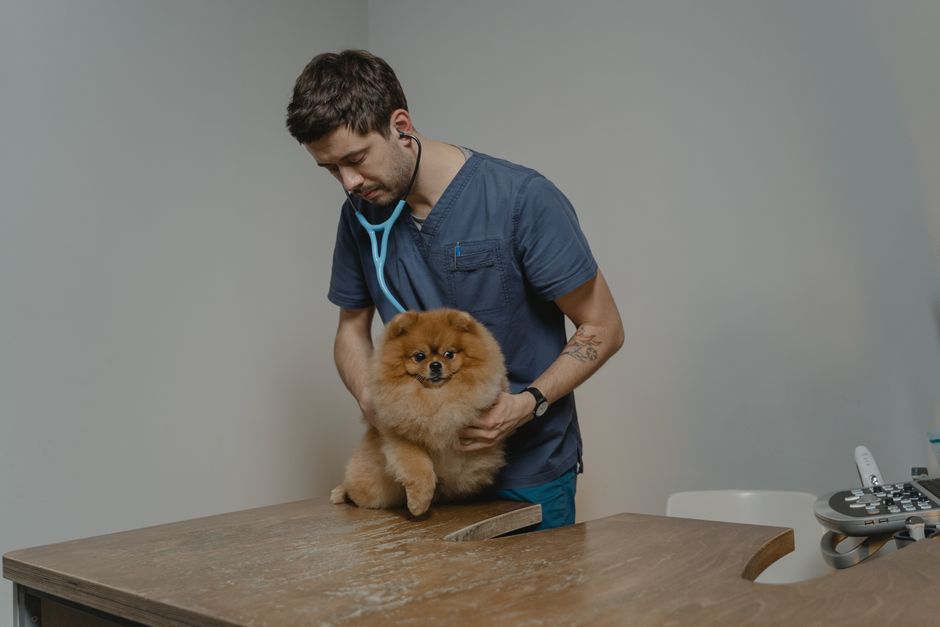
When a pet arrives at Nexus Veterinary Urgent Care with signs of heatstroke, our veterinary team acts quickly to stabilize and cool your animal. Immediate assessment begins with checking vital signs, including body temperature, heart rate, and respiratory effort. We may use our diagnostic laboratory to assess hydration, organ function, and look for complications such as kidney injury or electrolyte imbalances that often accompany heatstroke. Our on-site digital radiology allows us to evaluate for lung changes or other internal concerns if your pet’s symptoms are severe.
Treatment approaches involve gradually lowering your pet’s temperature using cool (not ice-cold) water, intravenous fluids to combat dehydration, oxygen therapy if breathing is compromised, and medications to address shock or seizures as needed. Our veterinary professionals continuously monitor your pet for life-threatening complications, as organ damage can progress even after body temperature normalizes. Each case is different, and our goal is to provide customized, compassionate care for every pet that walks through our doors.
It is important to remember that at-home cooling should never delay your decision to seek professional help. The sooner your pet receives veterinary care, the better their chances for a full recovery.
First Aid and Prevention: What You Can Do Before Arriving
If you suspect your dog or cat is suffering from heatstroke, swift action can make a significant difference while you are on your way to urgent care.
Begin by moving your pet to a shaded, cool area immediately. Offer small amounts of room-temperature water if your pet is alert and able to drink, but do not force water or allow them to gulp large volumes too quickly. Use cool, damp towels on your pet’s paws, armpits, and belly; avoid ice or extremely cold water, as this can cause blood vessels to constrict and actually slow down cooling. You can also use a fan to help evaporate moisture and support cooling.
While these steps can help lower body temperature slightly, they are not a substitute for veterinary care. Call Nexus Veterinary Urgent Care as soon as you recognize symptoms and begin traveling to the clinic right away. Our walk-in policy ensures your pet will be seen promptly; no appointment is needed for emergencies.
To prevent heat-related emergencies, always provide plenty of fresh, cool water and access to shade when your pet is outside. Walk dogs early in the morning or later in the evening to avoid the hottest parts of the day. Never leave your pet in a parked car, and be mindful of hot surfaces that can burn paws and contribute to overheating. For pets with higher risk factors, such as flat-faced breeds or seniors, take extra precautions during Virginia Beach’s warm months.
When to Seek Emergency Veterinary Care
Knowing when to seek urgent veterinary care can be the key to saving your pet’s life. If your dog or cat is panting excessively, drooling, showing signs of confusion or disorientation, vomiting, having diarrhea, or collapsing, these are all red flags for heatstroke. In cats, open-mouth breathing, rapid breathing, or sudden weakness is an emergency. Do not wait for symptoms to improve on their own—heatstroke can progress rapidly, causing irreversible organ damage or even death in a matter of minutes.
If your regular family veterinarian is closed or unable to see your pet after hours, Nexus Veterinary Urgent Care is ready to help. Our clinic is open during afternoons and evenings on weekends so you have access to urgent care when you need it most. Walk-ins are always welcome, and our team will work quickly to provide immediate assessment and treatment.
If you are unsure whether your pet’s symptoms are an emergency, err on the side of caution and bring them in. It is always safer to have your pet evaluated by veterinary professionals than to risk waiting too long. For more details on what to expect during an emergency veterinary care visit, explore our website for guidance tailored to urgent situations.
Keeping Your Pet Safe in Virginia Beach’s Heat: Prevention and Support
As a pet owner in Virginia Beach and the surrounding communities, you play a vital role in keeping your dog or cat safe during the warmer months. By recognizing the signs of heatstroke, acting quickly in emergencies, and taking preventive measures, you can help your pet enjoy the season safely. Remember that heat-related emergencies can happen to any pet, even those who seem healthy or are used to being outdoors.
If you ever find yourself searching for an emergency vet near me, Nexus Veterinary Urgent Care is here to provide immediate, expert care for your pet. Our veterinary professionals are dedicated to compassionately guiding you through urgent situations and supporting your family when it matters most. Walk-ins are welcome during our weekend hours, and no appointment is needed for emergencies.
If you have questions or need urgent help, contact our team at (757) 974-8630 or visit us at 1124 Lynnhaven Parkway, Virginia Beach, VA 23452. For more information about our services, including emergency veterinary care, comprehensive physical exams, and on-site diagnostic laboratory capabilities, visit our website.
Your pet’s safety and well-being are always our top priorities. Do not hesitate to reach out if you are concerned—your quick action and our emergency care can make all the difference this summer.