
How a Veterinarian Handles Summer Pet Emergencies

How a Veterinarian Handles Summer Pet Emergencies
Summer in Virginia Beach brings sunshine, beach days, and plenty of outdoor adventures for you and your pets. However, the hot, humid weather can also pose serious risks for dogs and cats—especially during July, when temperatures and humidity peak. As a pet owner, you may worry about your pet developing heatstroke, dehydration, or other urgent health issues during these sweltering months. When minutes matter, knowing where to turn for immediate veterinary help is crucial. At Nexus Veterinary Urgent Care, located at 1124 Lynnhaven Parkway, Virginia Beach, VA 23452, our team is dedicated to providing emergency and urgent care when your regular veterinarian may be unavailable. Walk-ins are always welcome—no appointment needed—so you can bring your dog or cat in for fast, expert attention whenever a summer emergency strikes.
In this blog, we will explore how a veterinarian at Nexus Veterinary Urgent Care recognizes, diagnoses, and treats common summer emergencies such as heatstroke, dehydration, and related dangers. We will also share practical home care tips, signs that mean you should seek help right away, and how our urgent care services support pet owners across Virginia Beach and surrounding communities.
Recognizing Summer Emergencies: Signs Your Pet Needs a Veterinarian
Summer emergencies can develop quickly, sometimes with only subtle early warning signs. Knowing what to look for can help you act fast and potentially save your pet’s life. Key symptoms that may signal a summer emergency include excessive panting, drooling, weakness, vomiting, diarrhea, bright red or pale gums, difficulty breathing, collapse, or sudden lethargy. Dogs are especially prone to overheating if they spend time outdoors, exercise in the heat, or are left in vehicles even briefly. Cats, while less likely to show obvious signs, can also suffer from heat-related illnesses, especially if they are elderly, overweight, or have underlying health conditions.
Another danger during hot weather is dehydration. Watch for signs like dry gums, sunken eyes, sticky saliva, and poor skin elasticity. If you notice your dog or cat drinking a lot more water than usual, or if they seem uninterested in water despite the heat, it could signal an underlying problem that needs urgent evaluation. You can read more about what it means if your dog is drinking a lot of water and when to seek veterinary attention or if your cat is drinking a lot of water.
Always pay attention to sudden changes in behavior, such as your pet becoming unusually tired, unresponsive, or disoriented. For dogs, slow movements or reluctance to get up may indicate dangerous overheating or exhaustion. For cats, hiding, rapid breathing, or vomiting can be signs of a serious problem. If your pet is vomiting, you can find more information on when to seek urgent veterinary care for vomiting in dogs or vomiting in cats.
Why Summer Heat Puts Pets at Risk
Understanding why pets are vulnerable in the summer can help you prevent emergencies before they happen. Dogs and cats regulate their body temperature differently from humans; they primarily rely on panting and limited sweating through their paw pads. This makes them less efficient at cooling down, especially when humidity is high. Brachycephalic breeds (those with flat faces, like Bulldogs or Persians) are at even greater risk because their airways are less effective at dissipating heat.
Heatstroke is a life-threatening condition that can occur when a pet’s body temperature rises rapidly and they are unable to cool down. Common factors contributing to heatstroke include being left in a parked car, vigorous exercise during hot weather, lack of shade or water, and underlying medical issues. Dehydration often develops alongside heatstroke, particularly if a pet is vomiting or has diarrhea, or if they simply cannot drink enough to keep up with fluid loss.
In Virginia Beach, summer humidity compounds the risk, as the air is already saturated with moisture, making it even harder for pets to expel heat through panting. Even a short walk on hot pavement can lead to burns on a pet’s paw pads, further increasing stress and the risk of overheating.
How a Veterinarian Diagnoses and Treats Heatstroke and Dehydration
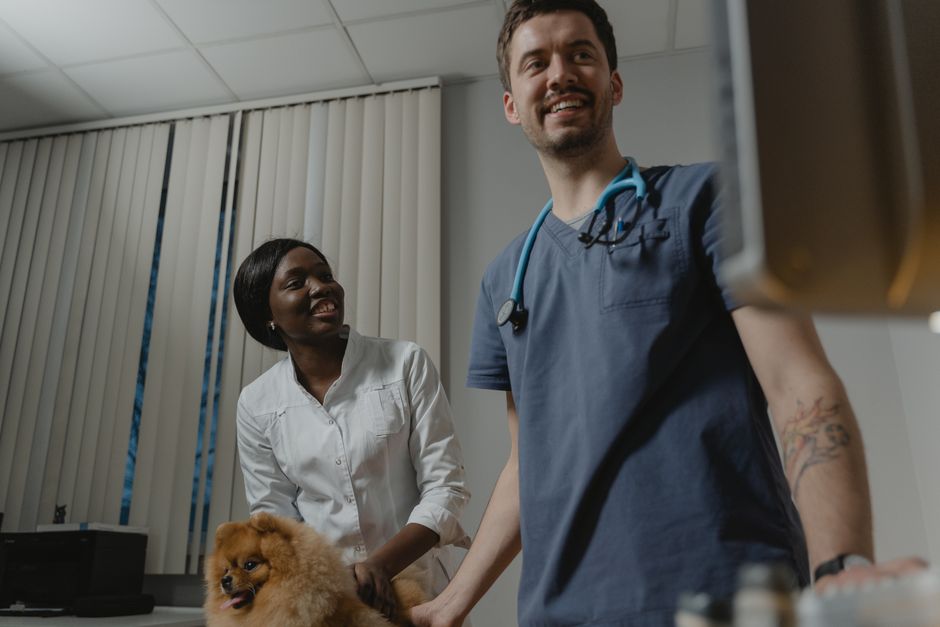
When your pet arrives at Nexus Veterinary Urgent Care with signs of a summer emergency, our veterinary team moves quickly to stabilize and diagnose the problem. Because emergencies can deteriorate rapidly, immediate assessment of vital signs—including temperature, heart rate, and breathing—is the first priority. The veterinarian will perform a comprehensive physical exam to look for evidence of heatstroke or dehydration, checking gums, skin elasticity, and neurological status.
For rapid diagnosis, we use our on-site diagnostic laboratory to measure electrolyte levels, kidney function, and blood gases. These tests help determine the severity of dehydration or any organ damage caused by overheating. If internal injuries or complications are suspected, our digital radiology services can provide quick, detailed X-rays to assess internal organs and rule out other causes of distress.
Treatment for heatstroke centers around safely reducing your pet’s body temperature. This may involve administering cool (not cold) fluids intravenously, applying wet towels, using fans for gentle cooling, and monitoring heart and respiratory function continuously. For dehydration, the veterinarian will provide intravenous fluids and carefully monitor your pet’s response to treatment. Additional medications may be needed to address shock, seizures, or secondary complications.
Throughout the process, our veterinary professionals provide constant care, comfort, and support for both you and your pet, explaining each step and what to expect during recovery.
Prevention and Home Care: Keeping Your Pet Safe in the Summer Heat
While our team at Nexus Veterinary Urgent Care is here when emergencies arise, prevention remains the best way to protect your dog or cat during hot weather. Always provide fresh, cool water and unlimited shade if your pet spends time outside. Limit exercise to early mornings or late evenings, when temperatures are lower, and avoid walking your pet on hot pavement. Never leave your pet unattended in a parked car—even for a few minutes—as temperatures rise rapidly and can become fatal.
If your dog or cat shows any signs of overheating, act immediately by moving them to a cooler area, offering water, and using damp towels or fans to help lower body temperature. For minor concerns, such as mild lethargy or a single episode of vomiting, monitor your pet closely and encourage rest and hydration. However, if symptoms persist or worsen, or if your pet seems unresponsive, it is safest to seek urgent veterinary care.
For more information on what to watch for if your dog is panting excessively during the summer, you can visit our guide to understanding excessive panting in dogs and when to visit a veterinarian. Cat owners can learn about signs of cat lethargy that require prompt veterinary attention.
When to Seek Immediate Veterinary Care for Your Pet
Certain symptoms demand prompt action. If your dog or cat collapses, has trouble breathing, experiences seizures, or is unresponsive, bring them to Nexus Veterinary Urgent Care immediately—walk-ins are welcome and no appointment is needed. Other urgent situations include persistent vomiting or diarrhea, a body temperature above 104°F, profuse drooling, pale or bluish gums, or a rapid decline in energy. In these cases, waiting for a regular veterinary appointment could place your pet’s life at risk.
Even if you are unsure whether your pet’s symptoms are an emergency, it is always better to err on the side of caution. Our urgent care veterinarians are available Friday through Sunday from 2:00 PM to 10:00 PM to provide the expert attention your pet needs during evenings and weekends—especially when your regular veterinarian may be closed.
Supporting Pet Owners Across Virginia Beach and Surrounding Communities
At Nexus Veterinary Urgent Care, we understand how frightening a summer emergency can be. Our team of veterinarians is committed to making the experience as smooth and reassuring as possible for you and your pet. From the moment you arrive at 1124 Lynnhaven Parkway, Virginia Beach, VA 23452, you can count on immediate, compassionate care. We serve pet owners throughout Virginia Beach and surrounding communities, offering advanced diagnostics and treatment when and where it matters most.
If you are searching for an "emergency vet near me" during summer or at any time your regular veterinarian is unavailable, Nexus Veterinary Urgent Care is here for you. For questions or urgent concerns, call us at (757) 974-8630 or visit us in person—no appointment necessary. Remember, rapid action can make all the difference in a summer emergency. Trust your instincts and let our veterinary team help keep your pets safe and healthy all season long.
For more details about our emergency veterinary care services, visit our website or contact our team of veterinarians any time during our weekend and evening hours. Your pet’s health and safety are always our top priorities.